In this article
The U.S. government is preparing to reveal the exact trigger of a massive technical failure that paralyzed American skies last month, bringing thousands of flights to a standstill. FAA Administrator Bryan Bedford indicated that investigators are nearly finished pinpointing the root cause of the router outage that led to only the third nationwide ground stop in history. Transportation Secretary Sean Duffy is expected to present these findings in a formal press conference as early as this Friday.
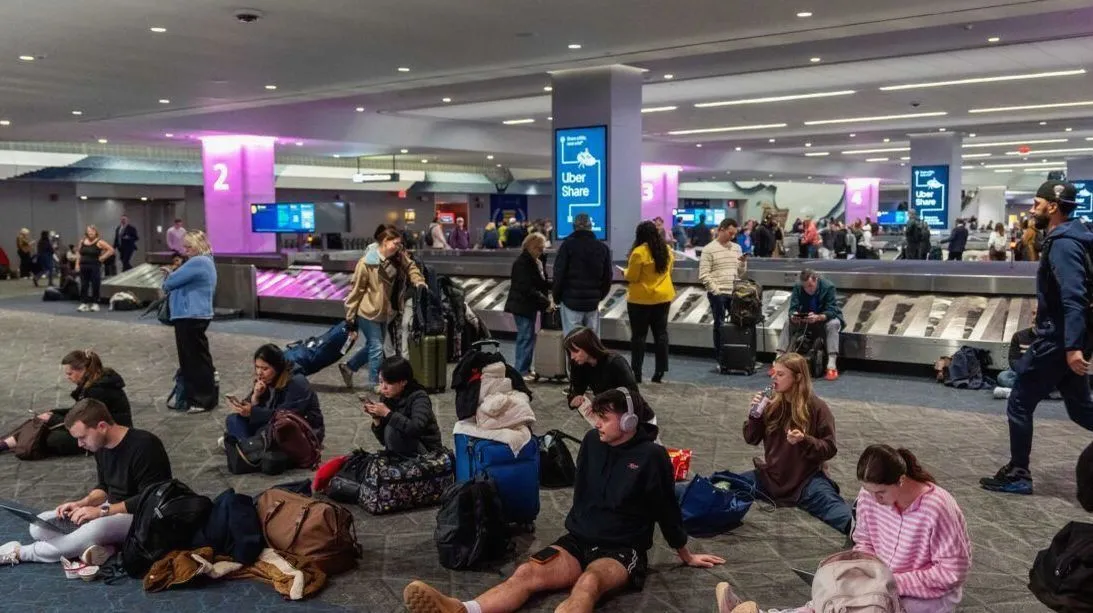
The chaos began on November 13 when a sudden flood of data overwhelmed the FAA’s telecommunications infrastructure, sending roughly one thousand connection attempts through the system every few seconds. This surge created critical instability for radar feeds and communication lines at 17 of the 22 primary air route traffic control centers across the country. The resulting gridlock lasted over four hours but left a lasting wake of disruption, canceling more than twelve thousand flights on Friday alone and leaving upwards of one million passengers stranded throughout the weekend.
Preliminary evidence suggests the malfunction originated from sites in Texas and Arkansas, specifically linked to a hardware upgrade performed by private contractor L3Harris. While attempting to replace twenty five year old Cisco routers with newer Juniper Networks models, the process apparently triggered the systemic collapse. Following the event, the FAA paused all further installations and reverted several sites back to their legacy equipment to ensure stability while they investigate how a localized update could have such a catastrophic global effect.
Beyond the technical glitch, the incident has ignited a fierce debate regarding agency oversight and risk management. Representatives from the Professional Aviation Safety Specialists union claim that FAA technicians were largely excluded from these upgrades, alleging that contractors operated without direct supervision. Former agency insiders suggest that performing such high stakes work during peak operational hours was a fundamental lapse in judgment, noting that any task with such a massive potential blast radius should have been handled overnight under strict mitigation protocols to protect millions of travelers.
Enjoyed this story?
Get the day's moves and the analysis behind them, free every weekday morning.