In this article
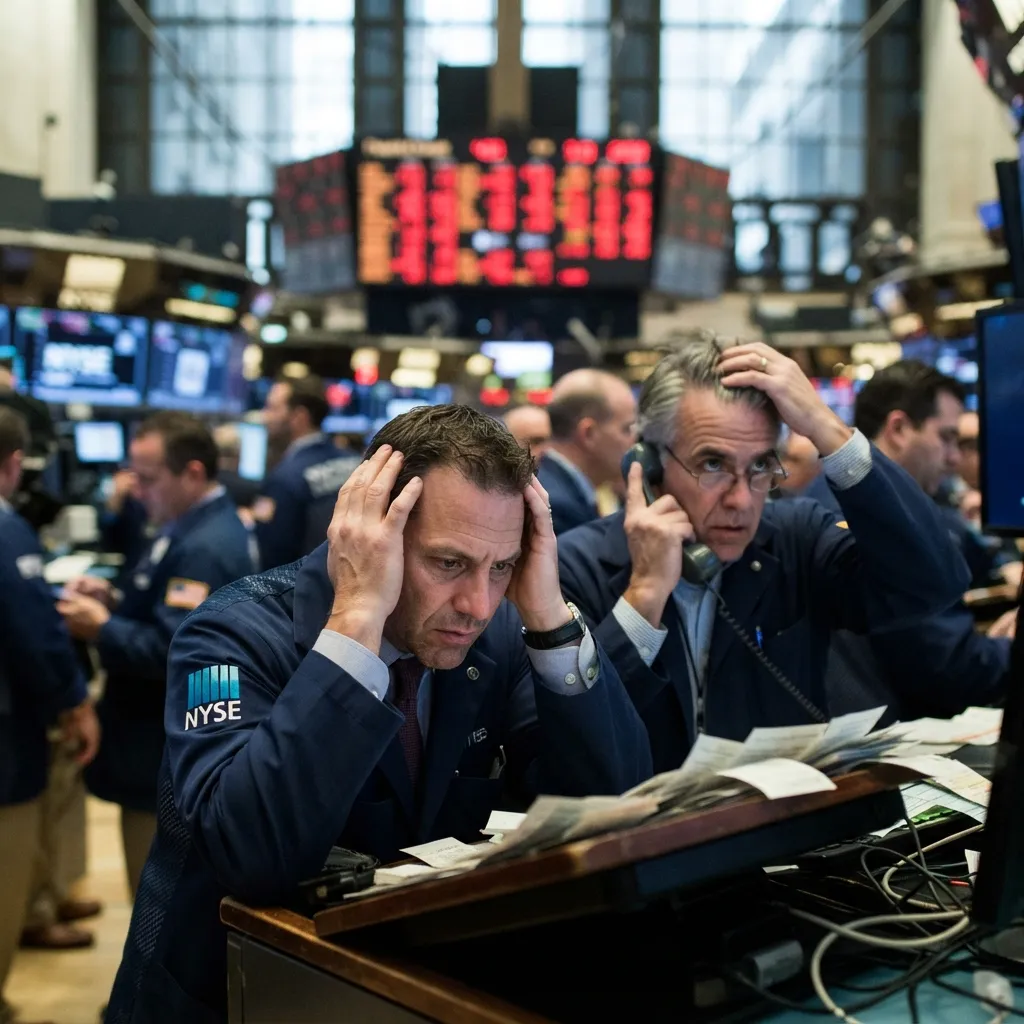
Wall Street was already feeling the strain of a volatile autumn before President Trump introduced a new set of tariffs targeting fourteen major trading partners, including the European Union and China. This announcement arrives at a precarious moment for investors, as both the S&P 500 and the Nasdaq have recently slipped into correction territory. While corporate earnings remained strong throughout the year, traders have grown anxious over massive spending on artificial intelligence infrastructure and the lingering threat of sticky inflation.
The president has frequently championed tariffs as a primary tool for generating federal revenue and encouraging domestic manufacturing. However, data from various Federal Reserve banks suggests these policies often act as a hidden tax on American citizens. Research indicates that nearly ninety percent of the economic burden falls on U.S. firms and consumers, who see prices rise not only on imports but also on domestically made goods. These cost increases often ripple through supply chains slowly, meaning the full inflationary impact may not be felt until months after the policy is implemented.
This potential spike in prices creates a difficult dilemma for the Federal Reserve. With interest rates already climbing to combat inflation, new tariffs could force policymakers to adopt an even more aggressive stance to prevent prices from spiraling. Higher borrowing costs typically dampen business investment and make stocks less attractive compared to bonds, adding further downward pressure on equity valuations during an already shaky period for tech giants and industrial leaders.
Despite these headwinds, some of the biggest names in finance aren’t ready to panic yet. Analysts at Goldman Sachs, Morgan Stanley, and UBS remain remarkably bullish, predicting significant gains for the S&P 500 heading into next year. While the immediate outlook remains clouded by trade tensions and monetary uncertainty, many experts view current market dips as strategic entry points rather than signs of a permanent collapse.
Enjoyed this story?
Get the day's moves and the analysis behind them, free every weekday morning.