In this article
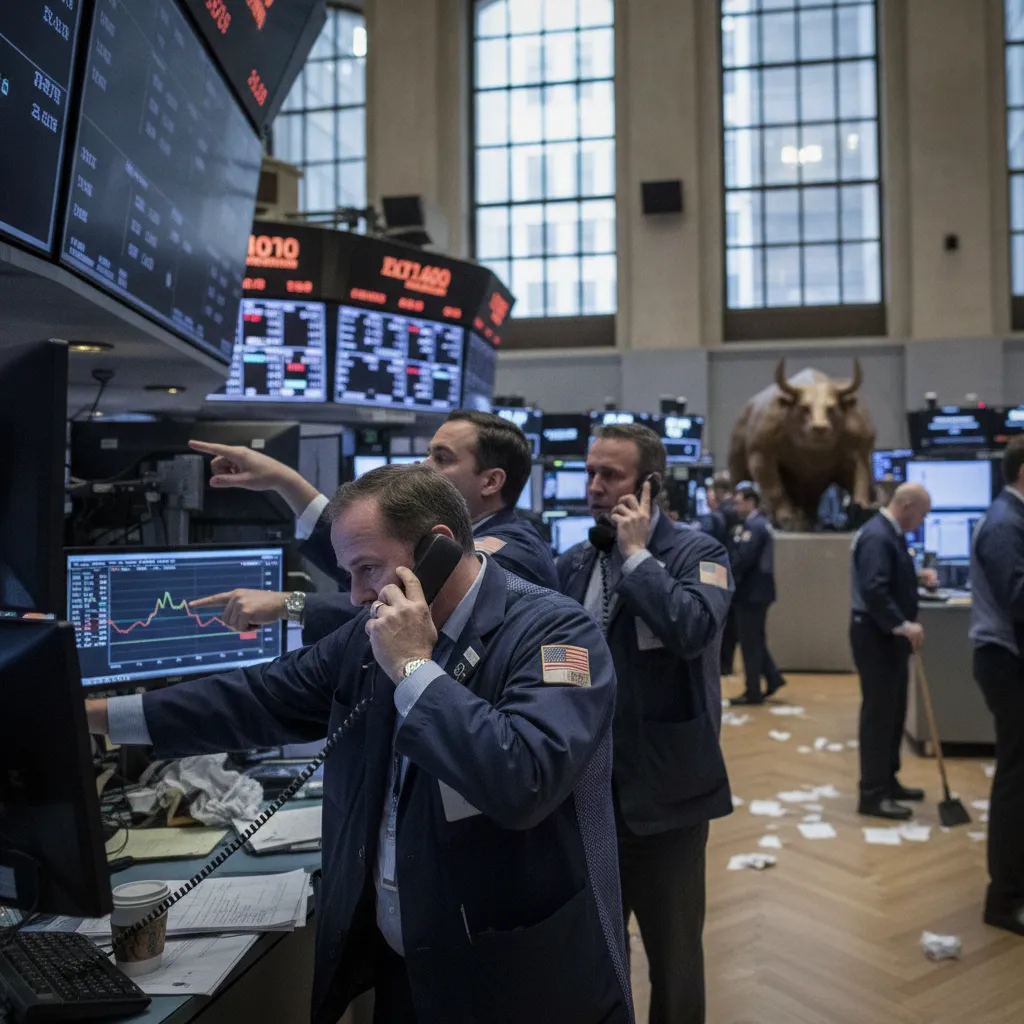
Wall Street faced a brutal Friday as a wave of selling tore through the tech sector, leaving investors questioning whether the astronomical sums poured into artificial intelligence will ever actually pay off. The Nasdaq Composite took the hardest hit with a 3 percent drop, while the S&P 500 slid 1.8 percent. Even the Dow joined the decline, though its losses were more muted at 0.9 percent. This latest downturn was sparked by a series of earnings reports that suggested the massive capital expenditures required to build the AI future are starting to weigh heavily on corporate balance sheets without providing immediate returns.
The carnage was most visible among semiconductor and software giants. Intel saw its shares plunge by 30 percent after issuing weak guidance for the fourth quarter, citing manufacturing bottlenecks and a sluggish PC market. This ripple effect hit other chipmakers hard, including Nvidia, which dropped over 4 percent. Meanwhile, Amazon shareholders reacted poorly to news of further increases in AI spending, contributing to a broader trend of skepticism that has already hammered Alphabet and Meta. Google in particular has seen half a trillion dollars wiped off its market value recently as investors worry that AI chatbots might cannibalize its core search advertising business.
The financial strain is becoming evident in the numbers, with several tech titans reporting rare or record-breaking dips in free cash flow. Both Meta and Alphabet have struggled with negative cash flow as they race to build out expensive data centers, while Amazon reported negative free cash flow of over 42 billion dollars over the last year. Analysts suggest that the market has moved past the honeymoon phase of excitement and is now demanding concrete evidence of profitability rather than just promises of future potential. For many traders, the sheer scale of this monster splurge has become a source of anxiety rather than inspiration.
Despite the bloodbath, some market veterans argue that this is simply a necessary correction in an otherwise long-term growth story. While some investors have rotated their money into safer bets like government bonds and consumer staples to avoid the volatility, others believe these pullbacks are par for the course during the early stages of a technological revolution. As the industry grapples with uncertainty, the consensus on the street remains tense: the AI trade isn’t dead, but it is finally being forced to prove its worth in dollars and cents.
Enjoyed this story?
Get the day's moves and the analysis behind them, free every weekday morning.