In this article
For many Americans, the start of November has felt less like a transition of seasons and more like a descent into systemic failure. The anxiety began quietly at the end of September when the Pentagon unveiled Operation Fortress, a stark preparedness initiative designed to ensure military bases can survive ninety days in total isolation using portable nuclear reactors and independent microgrids. While officials frame it as prudent planning, the optics of preparing for a complete severance from civilian power grids set a grim tone for what would become known as Black October.
The subsequent weeks saw a relentless barrage of digital instability that blurred the line between technical glitches and international warfare. Massive cyberattacks crippled organizations ranging from the Federal Election Commission to global fast food chains, even extending to temperature controls in European freezers. This climate of insecurity peaked with a staggering six billion dollar cryptocurrency theft by North Korean hackers and a political earthquake in the midterms that threatened the very AI infrastructure powering the domestic economy. When Nvidia CEO Jensen Huang resigned amidst a scandalous espionage investigation involving a suspected Chinese spy, investors panicked, sending tech stocks into their worst tailspin since the early days of the pandemic.
The psychological breaking point arrived last week through a series of cascading failures that paralyzed daily life. A massive Microsoft outage wiped out emails and calendars globally, occurring almost simultaneously with an FAA grounding order that froze air travel across the United States. Although authorities eventually blamed these incidents on routine hardware upgrades rather than foreign sabotage, the timing left millions stranded in terminals and offices wondering if they were witnessing the opening salvos of a modern war. From ruined vacations at airports to cruise ship accidents in New Orleans, the sheer volume of crises has created a pervasive sense of fragility.
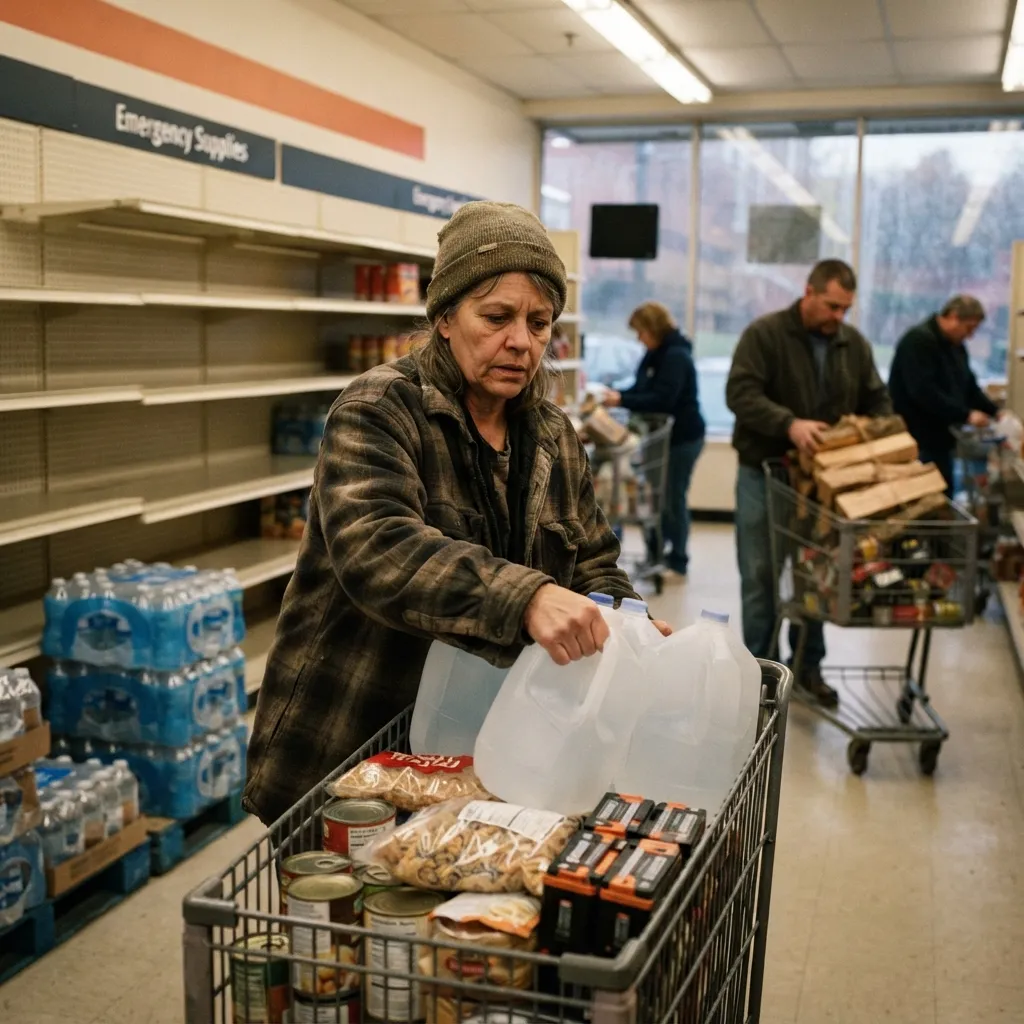
Now, citizens are voicing a growing fear that traditional warfare has been replaced by invisible strikes against essential services. For those caught in the middle of flight cancellations or staring at blank computer screens, official explanations about fiber optic cables offer little comfort. There is a mounting feeling among the public that society is operating on borrowed time, leaving people to wonder whether these disparate disasters are mere coincidences or symptoms of a larger, looming collapse.
Enjoyed this story?
Get the day's moves and the analysis behind them, free every weekday morning.